Against the backdrop of increasing global economic uncertainty, more and more companies are re-examining "exhibiting" itself. Supply chain costs have not fully recovered, market demand structures continue to diverge, and corporate budget allocation logic is changing—exhibitions are no longer annual rituals that must be attended, but gradually evolving into strategic investments that require repeated justification.
It is in this context that the significance of ISE Europe returning to Barcelona in 2026 deserves serious discussion.
As one of the most influential professional exhibitions in the global audiovisual and systems integration field, ISE's reputation is unquestionable. But for exhibiting companies, the more critical question is not "whether it is famous," but: what can this exhibition bring to companies today? And what can it not solve?
Quick Takeaways
- ISE is not a traditional exhibition centered on "on-site transactions" but a platform for brand display, technology trend release, and industry relationship maintenance
- Participation costs far exceed booth fees: structural safety, environmental standards, international travel, and team time costs all need consideration
- Different companies have vastly different perceptions: companies with international business foundations more easily gain value
- ISE continues evolving toward cross-domain integration: AV technology deeply interweaves with smart buildings, digital content, and immersive experiences
- ISE is more suitable for companies ready for international dialogue: brand maturity, product system capabilities, team structure
- The meaning of exhibiting is being redefined: no longer just a tool to acquire customers, but a way to judge direction, verify positioning, and participate in industry dialogue
ISE's Real Position in the Industry
ISE is not a traditional exhibition centered on "on-site transactions." It is more like a highly mature industry platform that plays multiple roles: brand display, technology trend release, and industry relationship maintenance.
What gathers here is not just buyers and sellers, but a complete industry network spanning AV hardware, systems integration, software platforms, content technology, and spatial solutions. Large international brands, regional systems integrators, engineering consultants, end-user representatives, industry media, and technical organizations form ISE's long-term stable core audience.
At the same time, some changes are becoming clear. Companies that rely primarily on price competition and lack clear application scenarios and system capabilities are gradually being marginalized. ISE's emphasis on integrated solutions, real application value, and systems integration capabilities places higher demands on exhibiting companies.
This means ISE is moving toward a more "selective" stage and gradually saying goodbye to the era of "anyone can try."
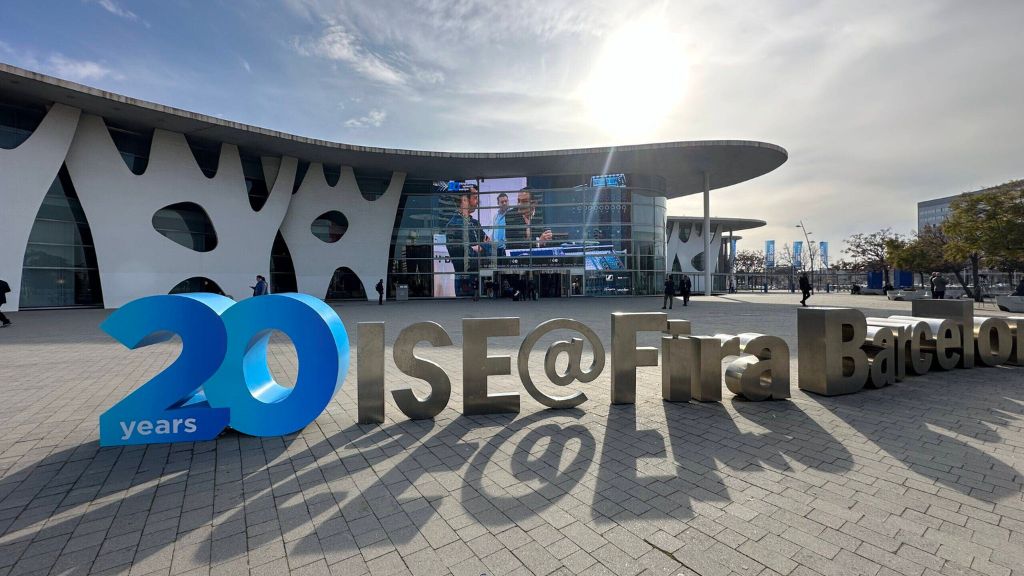
Participation Costs Are Never Just Booth Fees
From an exhibitor's perspective, ISE's cost structure goes far beyond the booth itself. What truly occupies the core of investment are often those hidden costs that are easily underestimated.
European exhibitions have higher requirements for structural safety, environmental standards, and construction specifications. Booth design and construction require more upfront planning. International travel and team time costs continue to rise, and on-site communication places higher demands on language skills and industry understanding. More importantly, ISE is not suitable for last-minute participation—without clear information structure and demonstration logic, companies can easily be quickly overwhelmed in an environment dense with mature brands.
These investments themselves are not problems; the key is whether they are highly aligned with the company's stage and goals.
Why Do Different Companies Have Such Different Perceptions
Regarding ISE evaluations, there has long been a clear division in the industry. Some companies see it as an indispensable international stage, while others believe the return on investment is not ideal.
This difference rarely stems from the exhibition itself, but more from the company's own positioning.
For companies that already have some international business foundation and hope to strengthen brand recognition, find long-term partners, or access industry resources, ISE's value often lies in relationship building and position confirmation. It helps companies determine their coordinates in the global industry chain, understand competitors' real movements, and provides reference for market layout in the next one to two years.
For companies still in the exploration phase, hoping to quickly obtain orders through exhibitions, or lacking clear product narratives, ISE's pace and logic may not be friendly. Unclear participation goals often evolve into an expensive but vague appearance.
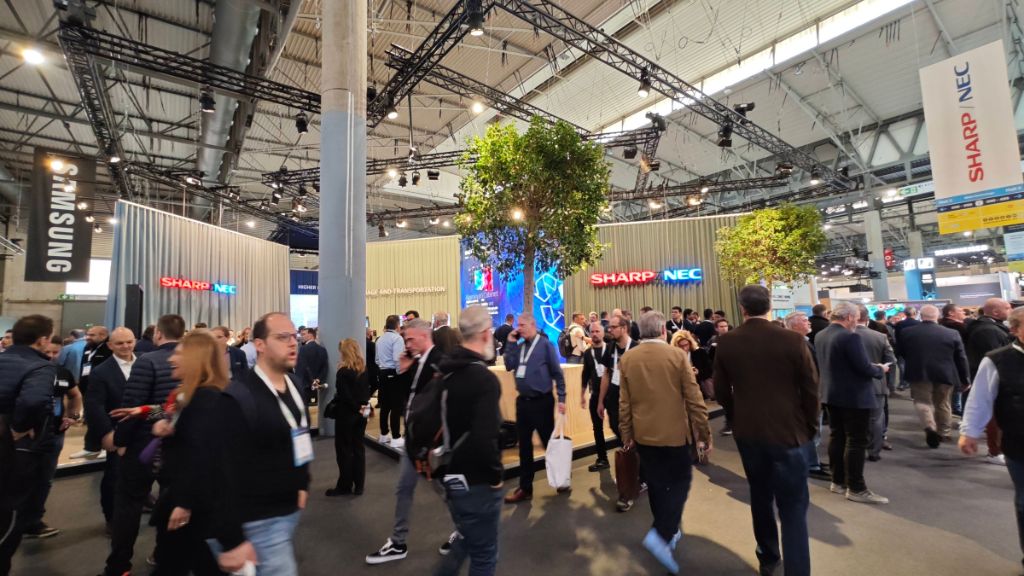
Changes Happening in the Exhibition
From an industry trend perspective, ISE continues to evolve toward cross-domain integration. AV technology is no longer an isolated category but deeply interweaves with smart buildings, digital content, immersive experiences, and data platforms. The exhibition structure is also adjusting, with regional brands and specialized manufacturers in vertical segments beginning to gain more attention.
At the same time, the European market's attention to compliance, sustainability, and system stability continues to rise. This invisibly strengthens ISE's screening function for long-term reliable partners and further raises the participation threshold.
For companies hoping to enter the European and broader international markets, these changes bring both pressure and a clear screening opportunity.
Who Should Seriously Consider, Who Needs to Be Cautious
ISE is not a must for all companies. It is more suitable for companies that are ready for international dialogue—whether in brand maturity, product system capabilities, or team structure.
If companies hope to verify technical direction, establish long-term cooperative relationships, or enhance international visibility, then ISE deserves serious consideration. But if expecting to quickly obtain orders through one exhibition or test market response at relatively low cost, they need to more carefully evaluate participation methods, or even consider exhibitions that better match their stage.
Even if deciding to participate, companies should clearly recognize: ISE is more like a long-term investment than a short-term return tool.
📌 Core Insight: ISE's value lies in its irreplaceable industry field attributes. It will not bring immediate results for every company, but will continuously influence those participants who truly hope to integrate into the global industry ecosystem.
Reunderstanding the Meaning of "Exhibiting"
In an era of rising exhibition costs and increasing global market volatility, the meaning of exhibiting is being redefined. It is no longer just a tool to acquire customers, but gradually becoming an important way for companies to judge direction, verify positioning, and participate in industry dialogue.
ISE Europe's value lies precisely in this irreplaceable industry field attribute. It will not bring immediate results for every company, but will continuously influence those participants who truly hope to integrate into the global industry ecosystem.
Whether to exhibit may not be the most important question. More importantly, whether companies are ready to stand on such a stage with clear goals and mature posture.
Copyright
This article is independently written by the Starrise Expo team, aiming to provide exhibition trend observations and participation value analysis for international AV and systems integration companies.
For citations, please credit: "Starrise Expo · Venue & Exhibition Insights."
© 2025 Starrise Expo. All Rights Reserved.