In global exhibition industry discussions, "interactive experiences" have evolved from optional to default.
TSNN (Trade Show News Network) research indicates that interaction is transforming from a tool to "boost on-site engagement" into a key factor directly affecting exhibition effectiveness evaluation.
But what truly deserves repeated discussion is not whether to do interaction, but:
What problems does interaction solve at exhibitions? Does it truly serve exhibition goals?
Combining TSNN\'s observations on exhibition practices and our actual experience across different international exhibitions, below is a further breakdown of exhibition interaction value.
Quick Takeaways
- First value of interaction: Make target audiences willing to stop. In large international exhibitions, audience attention is highly fragmented; interaction provides a clear entry point for truly relevant people.
- Second value of interaction: Lower understanding threshold, not increase information volume. Through demonstrations, simulations, or comparative experiences, helping audiences quickly establish cognitive outlines is often more valuable than complete explanations.
- Third value of interaction: Screen potential clients, not simply collect leads. Well-designed interactions naturally distinguish different levels of interested people, helping exhibition teams judge which communications are worth continued investment.
- Fourth value of interaction: Provide sustainable materials for post-exhibition communication. When interaction is viewed as part of content assets from the start, it can naturally extend into short videos, case materials, or brand narratives.
- Fifth value of interaction: Reverse validate whether the company's own expression is clear. Interaction design is essentially a test of the company's information structure. If it cannot clearly express "who we are, what problems we solve, and who we relate to," the problem is not in the interaction form, but in brand positioning and expression logic itself.
- Rational understanding of interaction is more important than whether to adopt it. Interaction is not a universal solution for exhibition success; it's more like an amplifier—when goals are clear, expression is mature, and teams are well-prepared, interaction can significantly improve exhibition quality.
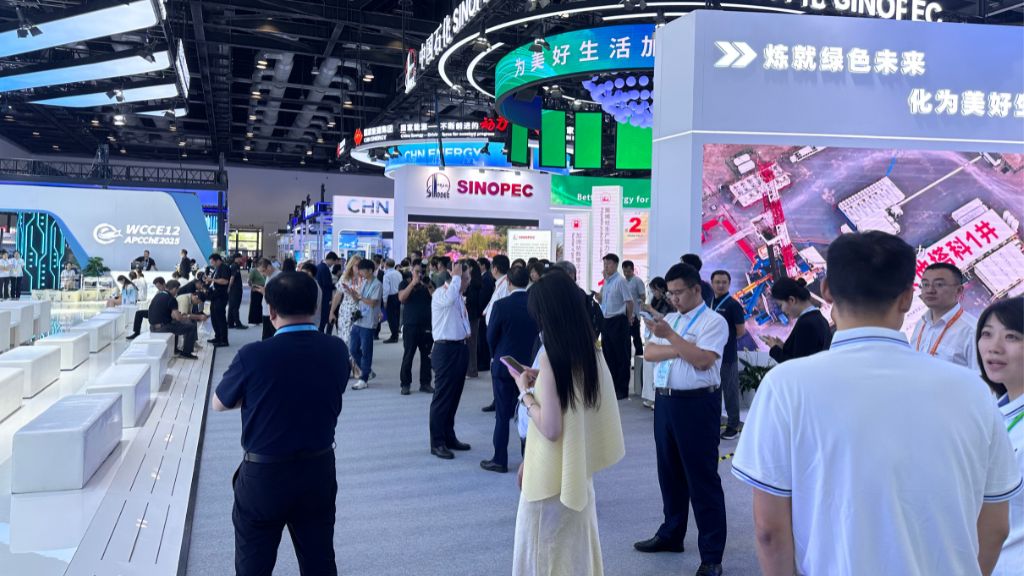
First Value: Make Target Audiences Willing to Stop
Industry research generally believes that interaction\'s most direct role is to increase engagement. But in real exhibition environments, this "participation" often manifests as a more practical result:
Whether audiences are willing to stay at the booth for a few more seconds.
In large international exhibitions, audience attention is highly fragmented. The significance of interaction is not to display all information, but to provide a clear entry point for truly relevant people, making them willing to stop and start observing.
Effective interactions are often not complex; they convey a clear judgment:
"If you care about this issue, this is worth a closer look."
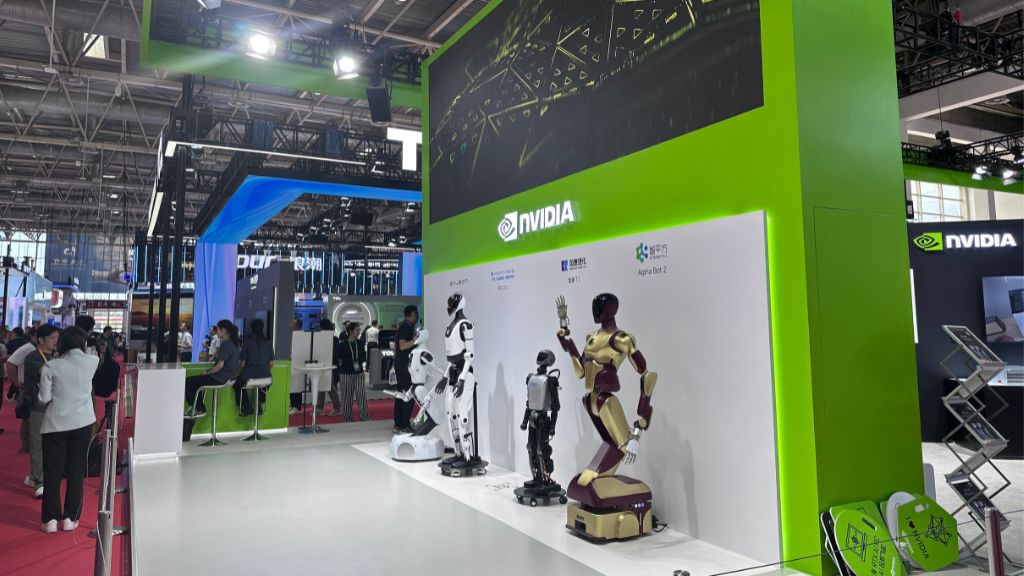
Second Value: Lower Understanding Threshold, Not Increase Information Volume
TSNN\'s analysis mentions that interaction helps audiences understand products and solutions. This is particularly evident in technology-intensive or B2B exhibitions.
Many exhibiting companies easily fall into a misconception: trying to convey as much information as possible in limited time.
Truly effective interaction does the opposite—it helps audiences complete a judgment in a short time:
What problem does this solution solve?
Is it relevant to my application scenario?
Through demonstrations, simulations, or comparative experiences, helping audiences quickly establish cognitive outlines is often more valuable than complete explanations.
Third Value: Screen Potential Clients, Not Simply Collect Leads
In industry discussions, interaction is often seen as a means to acquire potential clients. But from actual results, screening is often more important than quantity.
A well-designed interaction naturally distinguishes different levels of interested people:
Some are just attracted to stay, some are willing to communicate further, and some already have clear needs.
The true value of interaction is not in creating more business cards, but in helping exhibition teams judge:
Which communications are worth continued investment of time and resources.
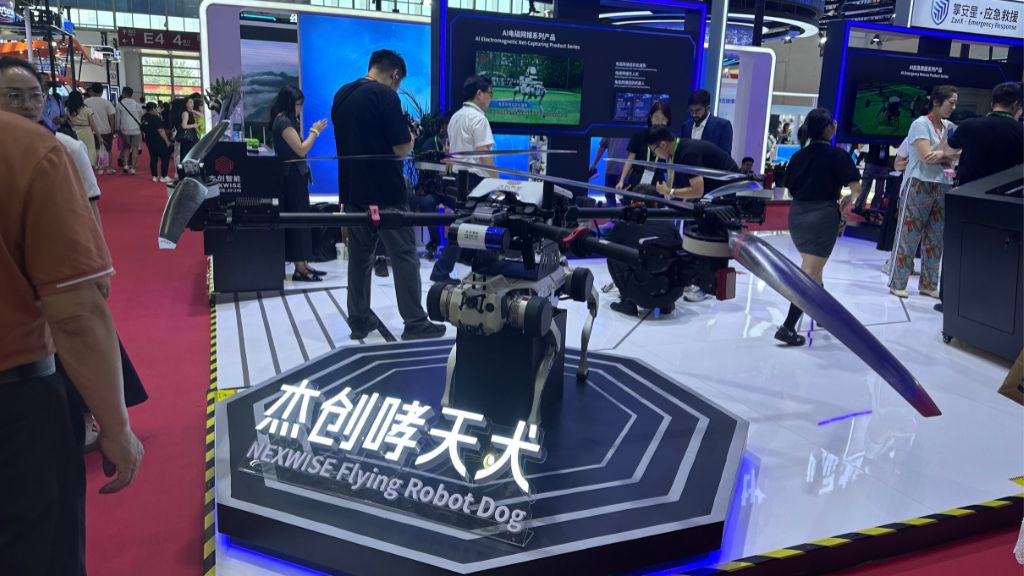
Fourth Value: Provide Sustainable Materials for Post-Exhibition Communication
TSNN\'s analysis also points out that interactive experiences are easier to record, share, and re-share. This value is continuously amplifying in today\'s content-driven communication environment.
When interaction is viewed as part of content assets from the start, it can naturally extend into short videos, case materials, or brand narratives, making the exhibition\'s influence extend beyond the on-site days.
But the prerequisite is that the interaction itself has clear expression and communication understanding, not just "fun on-site."
Fifth Value: Reverse Validate Whether the Company\'s Own Expression Is Clear
This is the most strategically significant yet most easily overlooked point in industry research.
Interaction design is essentially a test of the company\'s information structure.
If a company cannot clearly express "who we are, what problems we solve, and who we relate to" through an interaction, then the problem is not in the interaction form, but in brand positioning and expression logic itself.
From this perspective, interaction is not only a tool for audiences, but also a mirror reflecting the company\'s maturity.
Rational Understanding of Interaction Is More Important Than Whether to Adopt It
TSNN\'s research conclusion is very clear: interaction is not a universal solution for exhibition success.
It\'s more like an amplifier—
When goals are clear, expression is mature, and teams are well-prepared, interaction can significantly improve exhibition quality;
When these foundations are not yet established, interaction will instead amplify ambiguity and misjudgment.
In today\'s increasingly rational exhibition investment, what truly matters is not whether to "follow the interaction trend,"
but whether the company is clear:
What judgment do we hope audiences complete at this booth?
Copyright and Citation
This article is based on TSNN (Trade Show News Network) "5 Ways Exhibitors Boost Results With Interactive Engagement" industry insights, analyzed and extended, combined with international exhibition practice experience.
This article is original secondary interpretation content, for industry research and exchange reference only.
Please credit the source: StarRise Expo · Insights
© 2026 Starrise Expo. All Rights Reserved.